
Cách tạo danh sách mua sắm?
Tạo kế hoạch bữa ăn tuần, đặt khẩu phần và RecipeFlow tự động kết hợp tất cả lượng vào một danh sách mua sắm. Nguyên liệu lặp lại được gộp lại.
From Meal Plan to Shopping List in One Step (EN)
The traditional approach to grocery planning: look through your weekly recipes, write down each ingredient, check for duplicates, add up quantities, and finally organize by store section. This takes 20–30 minutes and is error-prone.
RecipeFlow automates this entirely. Once you've planned your meals for the week, the app:
- Collects all ingredient requirements from all planned recipes.
- Consolidates duplicate ingredients (if three recipes need onions, it shows the total onion quantity).
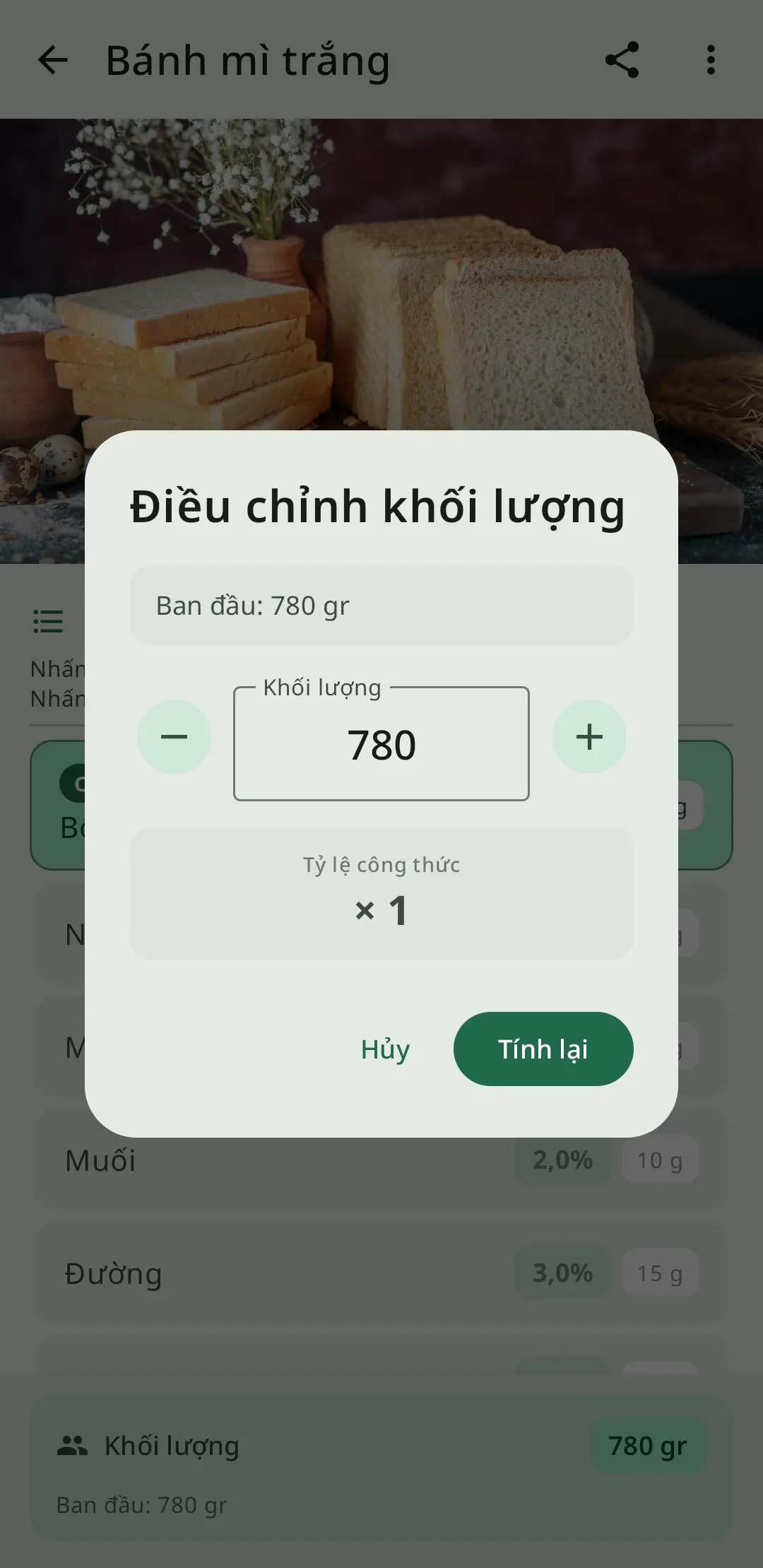
- Accounts for serving counts (if you're making a recipe for 4 instead of 2, the quantities double).
- Displays the list organized by category (produce, dairy, meat, pantry, etc.) for efficient shopping.
How a Smart Shopping List Reduces Food Waste (EN)
Food waste in households is heavily driven by over-purchasing — buying ingredients that don't get used before they spoil. A recipe-based shopping list addresses this directly by:
- Showing exactly how much of each ingredient is needed across all planned meals.
- Revealing when you can buy less (e.g., you only need 200g of spinach this week, not a full 500g bag).
- Making it easy to plan recipes that share perishable ingredients, so everything gets used.
Research consistently shows that households with a weekly meal plan and a corresponding shopping list waste 20–30% less food than those who shop reactively.
Organizing Your Shopping List for Efficiency (EN)
The order you shop matters. Moving back and forth across a supermarket wastes time and energy. An organized list groups items by store section:
Produce Section
Fresh vegetables and fruits, herbs. These go into the cart first (they're fragile) and at the end of the shop when you pass by again to pick up refrigerated items you may have forgotten.
Meat and Fish
All proteins in one trip to the meat/fish counter or refrigerated section. Avoids cross-contamination from keeping raw meat with other items by placing it at the bottom of the cart.
Dairy and Eggs
Refrigerated dairy products, eggs. Typically at the back or sides of the store.
Pantry/Dry Goods
Canned goods, dried pasta, grains, oils, vinegars, spices, baking ingredients. These are shelf-stable and take up the majority of the cart for most weekly shops.
Managing Pantry Stock Alongside Shopping Lists (EN)
The most efficient shopping considers not just what the recipe needs but what you already have. Before adding pantry items to your list, check your stock. RecipeFlow's recipe ingredients serve as a checklist: for each item on your planned shopping list, note which ones you already have in sufficient quantity.
Over time, this process builds 'pantry intuition' — you develop a sense of what you always have on hand and only need to buy the fresh and perishable items each week.